October 19, 2026
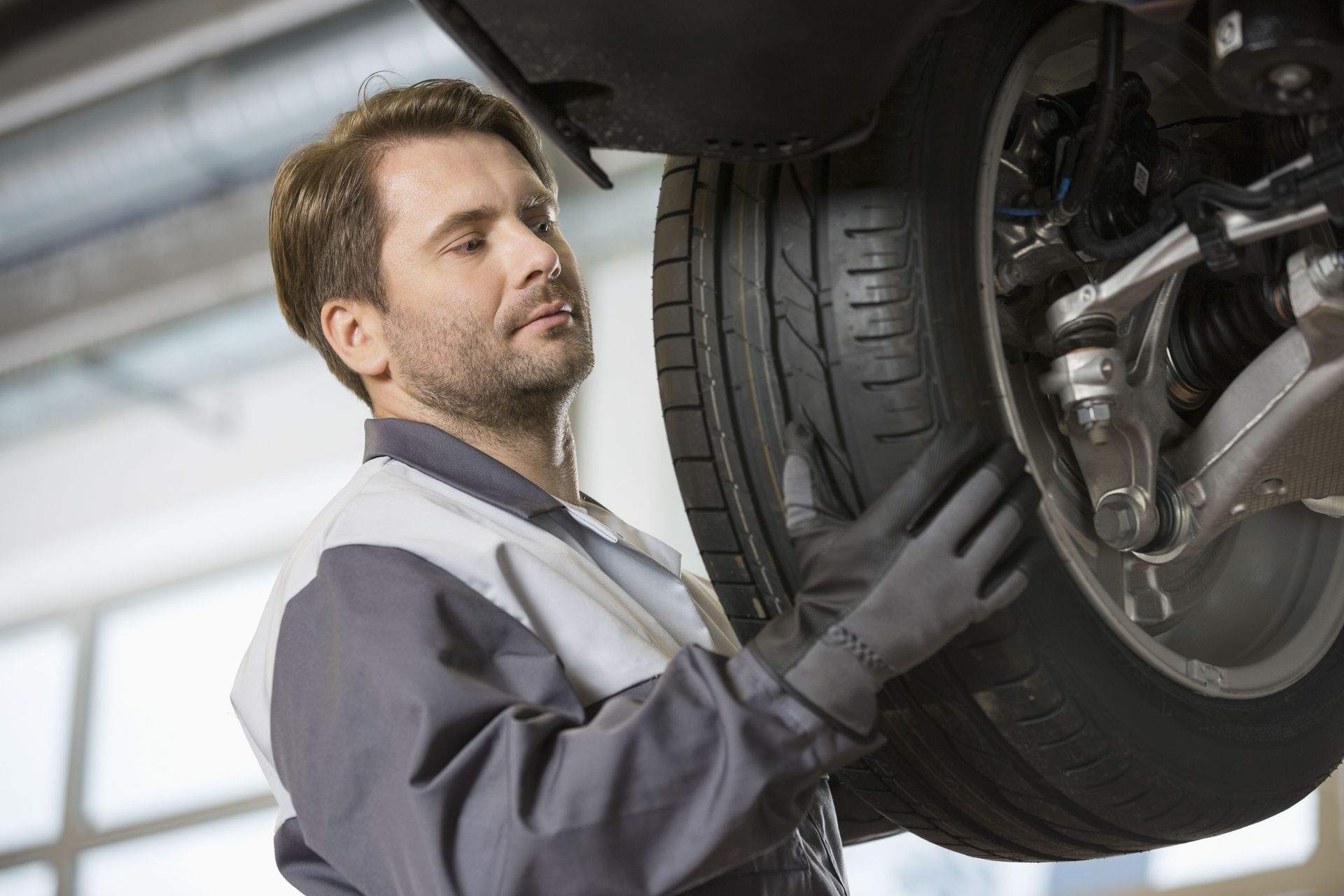
Driving down the road, you rely heavily on the four patches of rubber connecting your vehicle to the pavement. Maintaining these components is critical for fuel efficiency, handling, and overall safety. Unfortunately, many drivers ignore early warning signs of automotive issues until they are facing a blowout or flat. Uneven tire wear compromises your grip on the road, especially in wet or icy conditions. According to Cartalk.com, a single tire can revolve hundreds of thousands of times on just a brief trip, with surface temperatures soaring from 35 degrees up to well over 100 degrees in just a matter of miles. This extreme operating environment means any small flaw quickly magnifies into a serious tread problem. When you notice patchy or asymmetrical tread deterioration, it is time to visit a local tire service center to diagnose the cause before it leads to expensive repairs.
Misalignment: The Silent Killer of Tire Tread
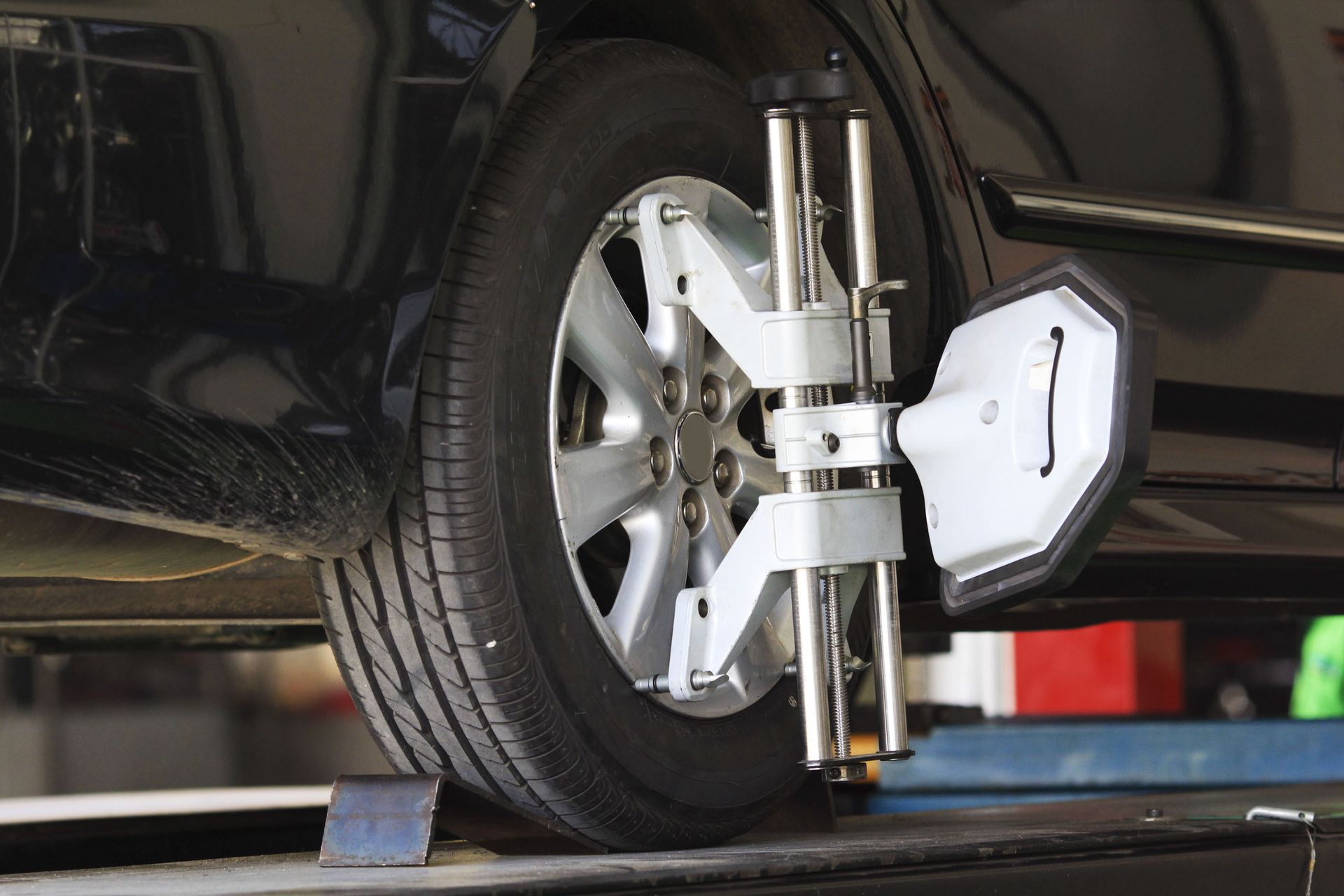
One of the most frequent reasons drivers experience asymmetrical tread deterioration is improper wheel alignment. Every vehicle has specific alignment specifications set by the manufacturer to ensure the wheels point straight ahead and sit flat against the pavement. When you hit a pothole or bump a curb, your alignment can easily be knocked out of place. This forces your rubber to drag across the asphalt rather than rolling smoothly. The friction generated by this dragging motion strips the tread away from the edges at an alarming rate, creating a condition commonly known as feathering or camber wear. If your steering wheel pulls to one side or feels off-center while driving on a straight road, you should be concerned. Bringing your vehicle to a local tire service center for professional tire balancing, rotating, and alignment will correct the angles of your wheels. Doing this promptly ensures you do not buy a brand-new set prematurely.
Inflation: How Air Pressure Dictates Tire Health
Maintaining correct air pressure inside your rubber is vital for longevity, yet it is a widely neglected aspect of vehicle maintenance. When air pressure is too low, the tread center bows inward, forcing outer edges to bear the entire weight. This results in heavy edge wear and creates excess heat, which can ultimately lead to structural failure. Conversely, if you put too much air into the rubber, the center bulges outward. Overinflation causes the center strip of the tread to wear down significantly faster than the shoulders. Both scenarios reduce traction and compromise safety. You should be concerned if you notice your tread depth is wildly inconsistent from the center to the edges. To prevent this, check your pressure monthly. If you are unsure about correct specifications, a technician at your local tire service center can assist you and ensure your pressure matches the manufacturer's guidelines.
Suspension: The Hidden Culprit Behind Cupping
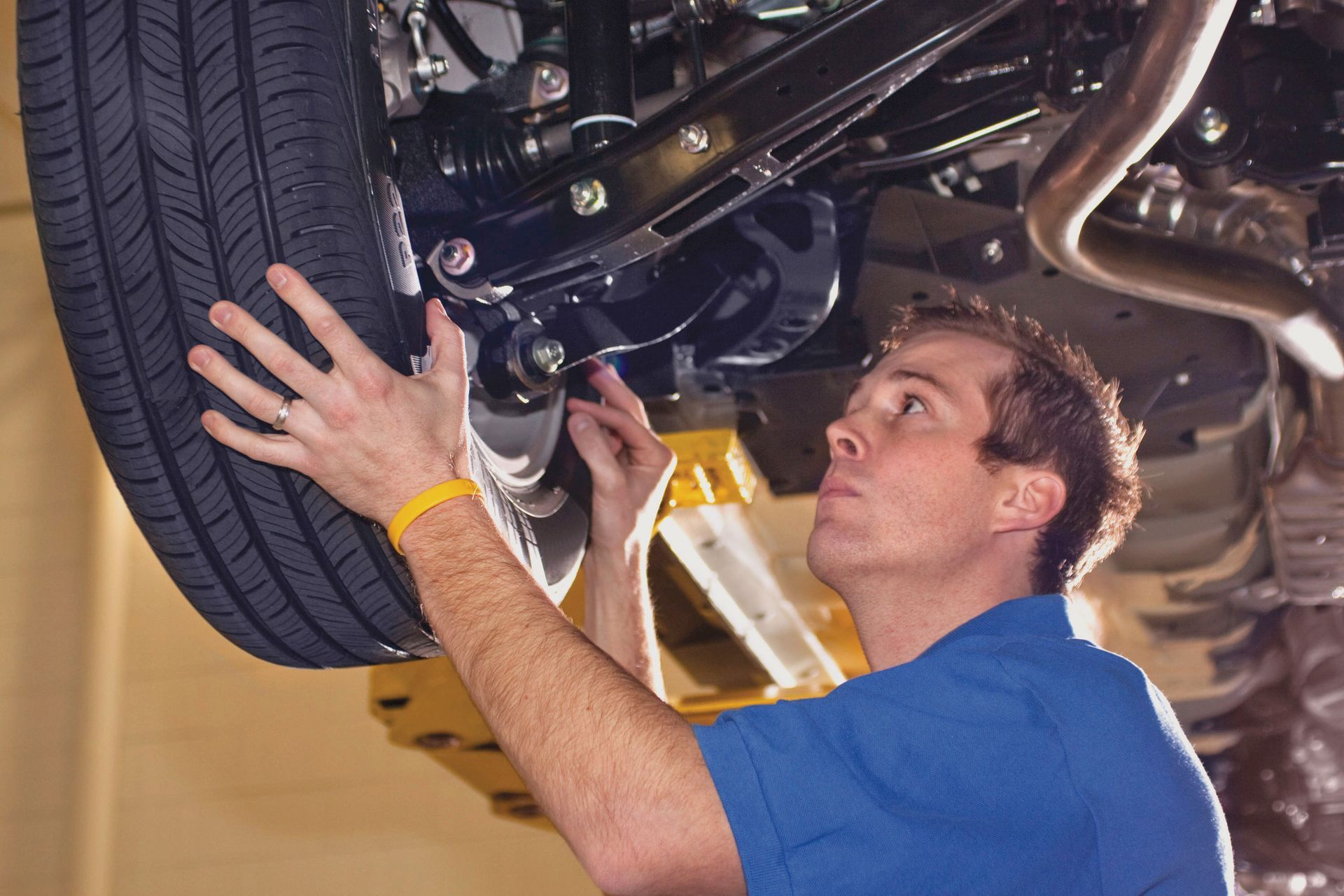
Your vehicle relies on a complex system of shocks, struts, springs, and bushings to absorb impacts from the road and keep your ride smooth. When these suspension components begin to fail, they can no longer keep the wheels planted firmly against the pavement. Instead, the wheel bounces up and down as you drive, taking small gouges out of the rubber every time it strikes the ground. This creates a scalloped or cupped wear pattern around the circumference of the tread. Because suspension issues affect your ability to steer and stop safely, you should be deeply concerned the moment you notice this cupping pattern. A bouncing wheel significantly increases braking distance and diminishes control during emergency maneuvers. Diagnosing suspension wear is complicated, making it imperative to visit a local tire service center for an in-depth evaluation. Replacing worn shocks and struts early on is much more cost-effective than repeatedly replacing ruined rubber.
Imbalance: Why Vibrations Lead to Patchy Wear
Even when perfectly manufactured, wheels and tires have minor weight variations that cause them to be heavier on one side than the other. If these weight differences are not counteracted with small weights, the entire wheel assembly will vibrate as it spins. This vibration creates a wobbling effect at high speeds, translating into patchy, bald spots across the tread. You will typically feel this imbalance as a noticeable vibration in your steering wheel, floorboard, or seat when reaching highway speeds. If left unaddressed, an unbalanced wheel can accelerate wear on wheel bearings and suspension components. You should definitely be concerned if your steering wheel shakes every time you accelerate past fifty miles per hour. Resolving this issue requires specialized equipment that spins the wheel assembly to pinpoint heavy spots. Taking your vehicle to a local tire service center for a quick balancing procedure will smooth out your ride and extend the lifespan of your tread.
Rotation: The Crucial Habit for Even Wear
Because the front and rear axles of your vehicle handle different amounts of weight and perform different steering functions, the front and rear wheels will naturally deteriorate at different rates. Front-wheel-drive vehicles put significantly more stress on the front axle, causing those treads to wear down much faster than the rears. Regularly swapping the position of each wheel ensures the workload is distributed evenly over time, maximizing the lifespan of the entire set. Skipping this maintenance step will inevitably lead to uneven wear and force you to replace two wheels long before the others are worn out. You should be concerned if you cannot remember the last time you moved your wheels to different positions. As a general rule, ask your mechanic to perform this service every time you go in for an oil change. Visiting a local tire service center on a consistent schedule ensures all four corners of your vehicle degrade evenly over time.
Damage: How Road Hazards Impact Tire Integrity
Driving over debris, hitting curbs, and traversing deep potholes can cause immediate, unseen internal damage to the structure of your wheel assembly. Sometimes impacts cause small shifts in internal steel belts, resulting in a sidewall bulge or an irregular patch of wear that worsens over time. This type of damage can also bend the rim, leading to a slow air leak causing chronic underinflation. Any time you experience a jarring impact on the road, you should be highly concerned about the structural integrity of your rubber. Continuing to drive on a compromised structure drastically increases your risk of a sudden blowout on the highway. If you hit a severe road hazard, it is best to be proactive. Scheduling a thorough inspection at a local tire service center will reveal if internal belts shifted or if the rim bent. Catching hazard damage early ultimately saves you from unexpected breakdowns.
Your vehicle's connection to the road depends entirely on maintaining healthy, evenly worn rubber. Ignoring early warning signs like steering wheel vibrations, vehicle pulling, or strange visual patterns on the tread will only lead to more costly mechanical repairs down the road. By understanding common causes of tread deterioration—including improper alignment, incorrect air pressure, failing suspension components, imbalanced wheels, lack of rotation, and road hazard damage—you can take a proactive approach to your vehicle's maintenance. Whether dealing with a slow leak or needing routine car maintenance services like brake service and repair, keeping an eye on your tread helps you stay safe on your daily commute. When you are ready to ensure your vehicle is in peak condition, bringing your vehicle to an experienced local tire service center will provide the expertise you need to keep moving forward. For professional guidance and top-tier automotive care, visit John Clay Automotive.