August 18, 2026
Tires play a vital role in vehicle safety, handling, fuel efficiency, and overall performance. A full tire maintenance visit brings together several services designed to keep tires in reliable condition and identify potential problems before they become serious. For drivers who want dependable performance and safer travel, understanding what happens during a tire maintenance visit can make vehicle care easier and more effective.
Regular maintenance is especially important because tire problems can affect more than the tires themselves. According to the National Highway Traffic Safety Administration (NHTSA), tire-related issues are responsible for nearly 11,000 motor vehicle crashes each year in the United States. Professional inspections and maintenance can help identify conditions that may contribute to tire failure or poor vehicle handling.
From inspections and balancing to alignment and tire rotation, local tire services can address many aspects of tire health. Knowing what these services involve allows drivers to recognize warning signs, ask informed questions, and make timely maintenance decisions. Consistent tire care can also provide greater confidence when driving through changing weather, heavy traffic, or unfamiliar road conditions. Rather than waiting for a noticeable problem, drivers can use routine maintenance to stay ahead of common tire concerns.
Inspect Tires Thoroughly
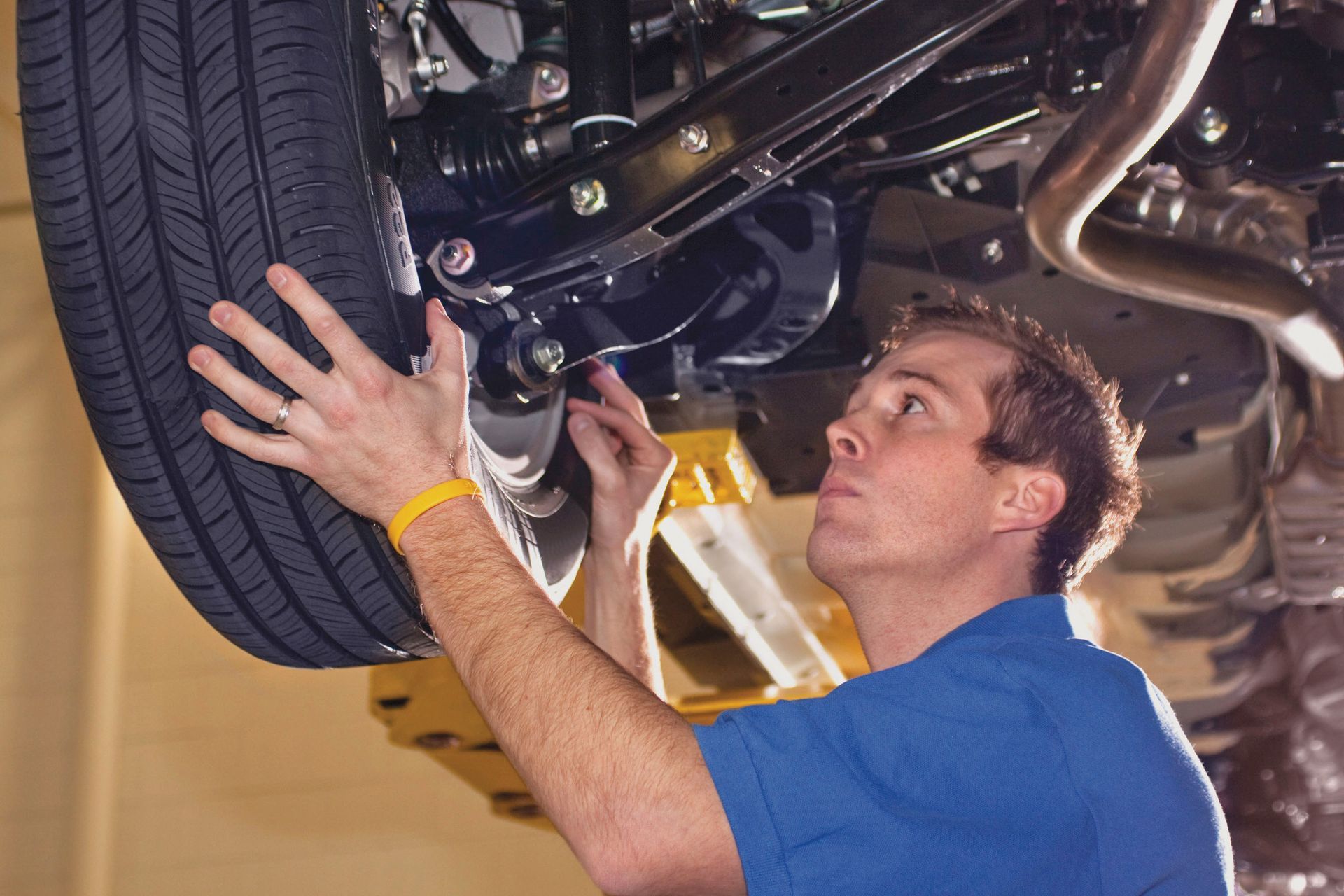
A comprehensive tire maintenance visit begins with a careful inspection. Technicians examine the tread for uneven wear, embedded objects, cuts, punctures, and other visible damage. This inspection can reveal developing problems that may not be obvious during everyday driving.
Tread condition is also evaluated because adequate tread helps tires maintain traction on wet and changing road surfaces. Excessive or uneven wear can indicate that the vehicle needs additional attention, such as rotation, balancing, alignment, or suspension inspection. Monitoring tread condition also helps drivers plan for replacement before tire performance becomes compromised.
Technicians also examine the sidewalls for cracks, bulges, cuts, or other irregularities. Sidewall damage can weaken the tire's structure and may require prompt attention. Valve stems are inspected as well because damaged or deteriorated components can contribute to air loss and inconsistent tire pressure.
Professional local tire services make these inspections particularly valuable because trained technicians can recognize conditions that may be difficult for drivers to identify themselves. A thorough inspection provides a clearer picture of tire health and helps establish an appropriate maintenance plan. It also gives drivers an opportunity to discuss unusual noises, vibrations, pressure changes, or handling concerns with a qualified technician.
Balance Tires Properly
Tire balancing helps distribute the weight of the wheel and tire assembly evenly. When a tire is out of balance, drivers may experience vibrations through the steering wheel, seat, or vehicle floor. Imbalance can also contribute to irregular tread wear and unnecessary stress on suspension components.
During the balancing process, a technician places the wheel and tire assembly on specialized equipment that identifies differences in weight distribution. Small balancing weights are then positioned as needed to correct the imbalance. Proper equipment and careful measurements help produce a smoother and more stable driving experience.
Drivers should pay attention to unusual vibrations or changes in ride quality. These symptoms may indicate that balancing should be evaluated. Balancing can also be appropriate when tires are installed, repaired, or rotated, depending on the vehicle and tire condition.
Routine local tire services can help identify balancing concerns before they contribute to additional wear. Maintaining balanced tires supports comfortable handling and can help protect other vehicle components from unnecessary strain. Addressing vibration concerns early can also help technicians determine whether the issue comes from tire balance or another part of the wheel, tire, steering, or suspension system.
Align Wheels Correctly
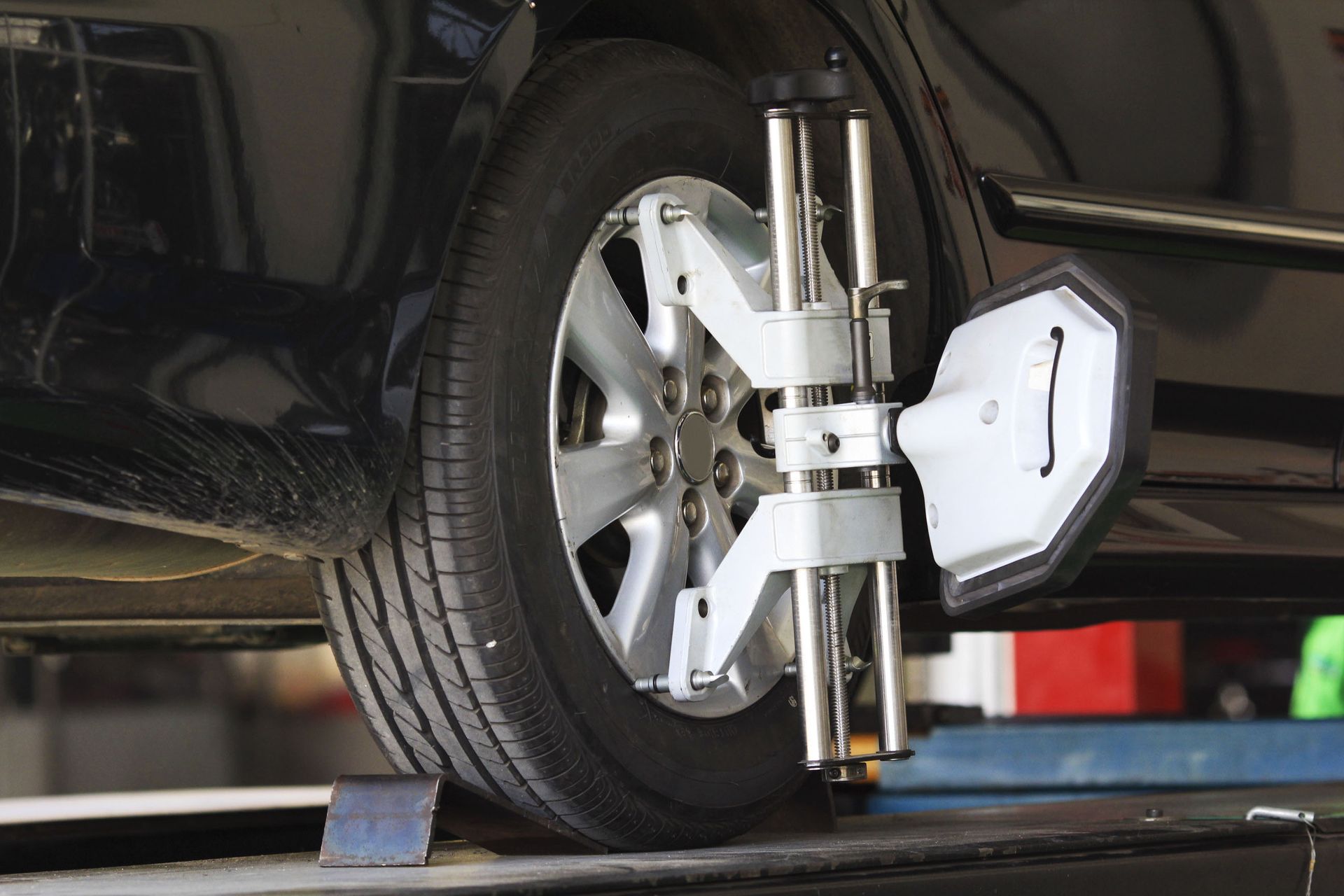
Wheel alignment ensures that the vehicle's wheels are positioned according to the manufacturer's specifications. Proper alignment supports even tire wear, predictable handling, and efficient vehicle operation.
Alignment can be affected by potholes, curbs, road impacts, or suspension-related issues. Common warning signs include a vehicle pulling to one side, an off-center steering wheel, or unusual wear along the tire tread. Addressing these symptoms promptly can help prevent accelerated tire wear and handling concerns.
During an alignment service, technicians inspect relevant steering and suspension components before using specialized equipment to measure wheel angles. Adjustments may be made to bring the alignment back within the appropriate specifications. The exact procedure depends on the vehicle's design and condition.
Local tire services that include alignment evaluation can help drivers address the underlying causes of uneven tire wear rather than simply replacing worn tires. Maintaining proper alignment is an important part of protecting both tire investment and overall vehicle performance. An alignment check can be especially useful after a significant impact or when a driver notices that the vehicle no longer tracks straight on the road.
Rotate Tires Consistently
Tire rotation helps distribute wear more evenly across the vehicle. Tires can experience different wear patterns depending on drivetrain configuration, vehicle weight distribution, steering demands, and driving habits. Rotating them according to the vehicle manufacturer's recommendations can help promote more consistent wear.
During a rotation, technicians inspect the tires and determine the appropriate placement for each tire based on the vehicle and tire design. Directional tires, staggered setups, and other specialized configurations may have specific requirements, so professional guidance is valuable.
A rotation visit also creates an opportunity to look for emerging problems. Technicians can identify uneven wear, damage, pressure concerns, or other conditions that may require further attention. Catching these issues early can make maintenance more manageable and help drivers avoid unexpected tire problems.
Using local tire services for regular rotation can support more consistent tire performance while allowing technicians to monitor changes in tire condition over time. Drivers should follow the maintenance recommendations provided for their specific vehicle and tires. Consistent rotation can also make it easier for technicians to compare tread wear during future visits and determine whether additional maintenance is needed.
Maintain Pressure and Components
Proper tire pressure is essential for handling, traction, ride quality, and efficient operation. During a full maintenance visit, technicians can check tire pressure and inspect the components responsible for maintaining it. Correct pressure helps ensure that the tire maintains appropriate contact with the road.
Valve stems deserve attention because deterioration or damage can allow air to escape gradually. Technicians may also examine valve caps and related components while checking the overall condition of the tire. Addressing small pressure-related problems early can help prevent uneven wear and other performance concerns.
Drivers should also remain alert to changes in pressure between maintenance visits. A tire that repeatedly loses air may have a puncture, valve issue, wheel problem, or another condition requiring professional inspection. Simply adding air without identifying the cause may not resolve the underlying problem.
Comprehensive local tire services bring these checks together with inspection, rotation, balancing, and alignment when appropriate. This approach gives drivers a more complete understanding of tire condition and helps create a proactive maintenance routine. Keeping tires properly maintained can also support a more comfortable driving experience and reduce the likelihood of being surprised by a preventable tire problem.
A full tire maintenance visit is about more than checking whether a tire appears usable. Professional inspection can uncover tread wear, sidewall damage, pressure concerns, imbalance, alignment problems, and other conditions that can affect safety and performance. Regular attention also allows drivers to address developing problems before they become more disruptive or expensive.
Local tire services provide an efficient way to keep these essential maintenance tasks on track. By combining professional inspections with appropriate tire care, drivers can support dependable handling, extend tire service life, and promote safer driving. A consistent maintenance routine also helps drivers better understand their vehicle's condition and recognize changes that may warrant professional attention.
For professional tire care and dependable automotive service, contact John Clay Automotive to schedule your next visit and keep your vehicle ready for the road.