June 15, 2026
Automotive engineering relies heavily on keeping the vehicle's rolling chassis properly calibrated to maintain highway safety and operational performance. The four tire contact patches are the absolute primary interface between the vehicle chassis and the changing road surface. Despite this critical role, critical wheel maintenance routines are frequently pushed aside by busy car owners, who view them as low-priority, superficial chores rather than essential structural upkeep.
Executing structured wheel maintenance is essential for ensuring balanced tread wear, maintaining predictable road handling, and protecting high-cost drivetrain elements. Failing to coordinate these preventive actions can result in severe mechanical complications, such as uneven tire wear, localized vehicle pull, and premature drivetrain failure. Modern tire designs incorporate multi-compound rubber structures that behave dynamically under load, meaning that geometric variations across your vehicle axles will directly accelerate core degradation. Relying on an authorized tire service center for routine maintenance allows property owners of modern automobiles to maximize fuel efficiency, control lifecycle operating costs, and ensure absolute safety across variable highway environments.
1. Demystifying Wheel Maintenance: Rotation vs. Balancing
Structural Weight Mapping and Rotation Mechanics
Tire rotation involves the systematic shifting of a vehicle's wheels to different axle positions according to a predetermined, manufacturer-approved geometric pattern. Front and rear axles experience vastly different mechanical forces, including distinct steering stresses, variable payload weights, and unequal braking friction. If left in a fixed position, a single tire pair will inevitably experience accelerated, uneven tread wear along its interior or exterior edges.
Conversely, wheel balancing focuses on correcting microscopic weight variations within the asymmetric wheel and tire assembly. Even premium, newly manufactured tires exhibit slight structural irregularities, such as localized variations in rubber thickness or heavy splice points along the internal steel belts.
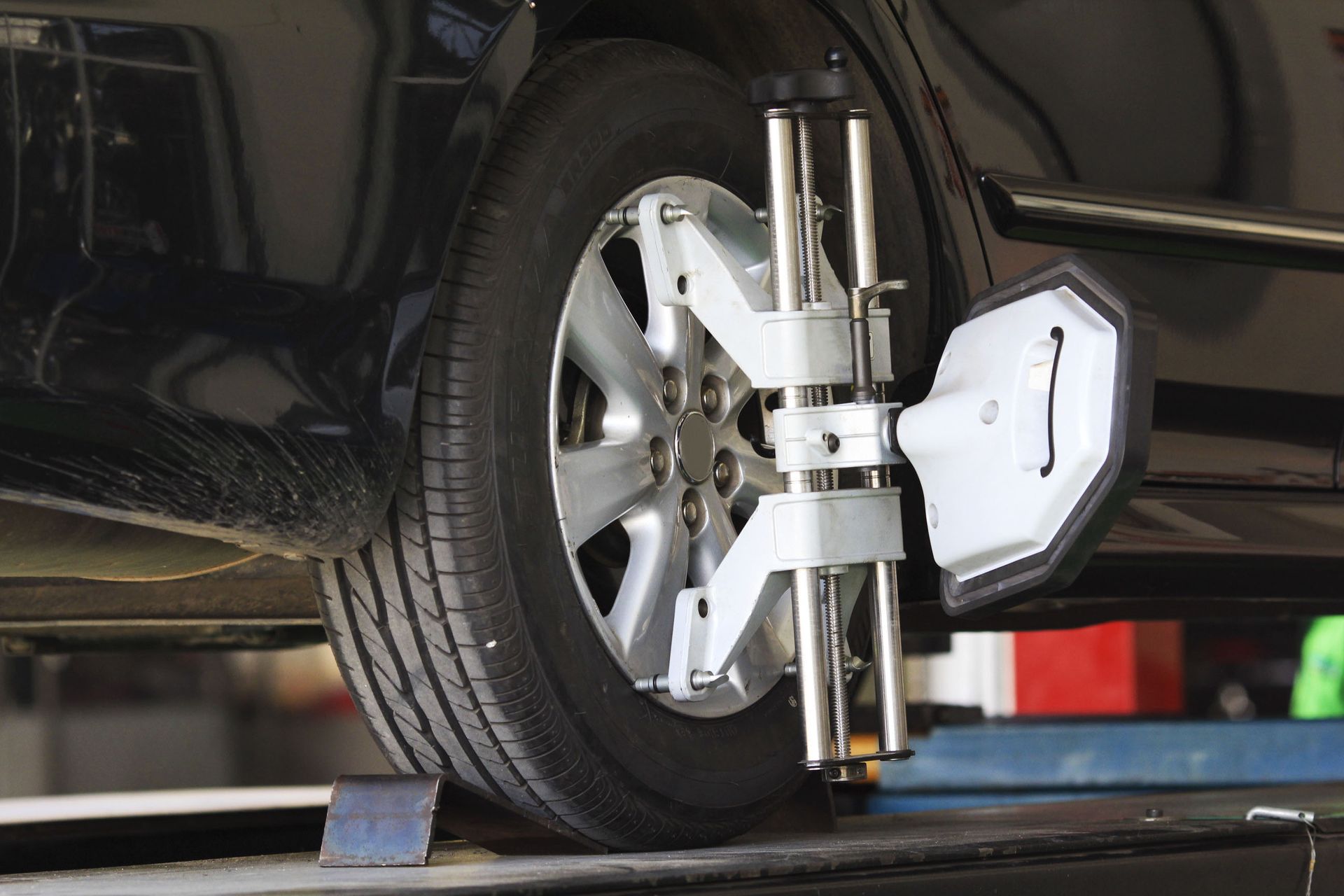
When a vehicle moves at highway speeds, even a tiny weight variance of a quarter-ounce can generate immense centrifugal forces, resulting in violent wheel hop and steering wheel shaking. An advanced tire service center utilizes computerized spin balancers to precisely locate these heavy spots, applying discrete zinc or lead counterweights to ensure completely uniform rotation.
Professional Precision Metrics
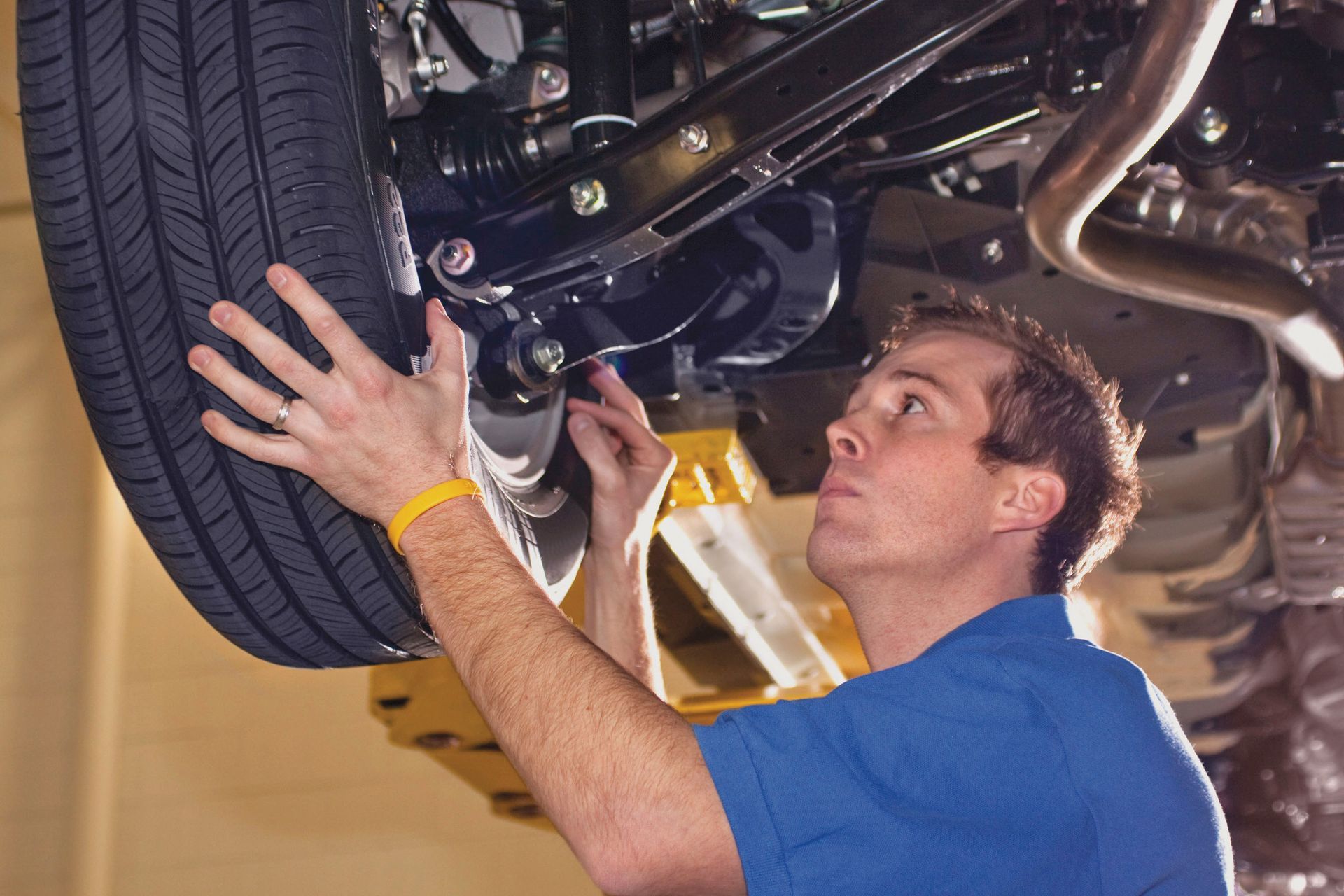
Technicians approach this critical service through a highly disciplined diagnostic sequence that separates advanced shops from basic DIY projects. Using digital tread depth gauges, color-coded micro-meters, and non-destructive inspection tools, specialists map out precise tread wear patterns to discover early indicators of underlying mechanical issues, such as wheel misalignment or bad shock absorbers.
When mounting directional or staggered tires, matching the correct rotation style to the vehicle's unique drivetrain is mandatory to protect the internal differentials. Modern electronic drivetrains utilize highly sensitive wheel-speed sensors that communicate directly with the central traction control module. If your tire diameters vary by even a fraction of an inch due to uneven positional wear, the system can trigger false traction alerts or place unnecessary strain on your center transfer case. This scientific precision ensures that your tire investment is thoroughly protected, delivering an uncompromised structural foundation for the road ahead.
2. Safeguarding Highway Safety and Traction
Even Tread Depths and Blowout Prevention
The primary safety benefit of keeping up with regular wheel position shifts is the systematic equalization of tread wear across all four wheels. Maintaining a uniform tread depth profile ensures that your vehicle's tires share the physical load evenly, preventing any single tire from experiencing dangerous bald spots or localized core thinning.
When a tire's rubber compound is allowed to wear down unevenly, its internal steel cord structure becomes highly vulnerable to heat accumulation and road debris punctures. This heat buildup breaks down the internal structural adhesives, which can cause tread separation and dangerous multi-layer failures. Proactively scheduling visits to a professional tire service center helps prevent sudden, catastrophic tire blowouts at highway speeds, keeping your vehicle stable and keeping you safe.
Advanced Hydroplaning Mitigation
Uniform tread depth is also a critical requirement for maintaining stable vehicle control when navigating adverse weather conditions like heavy downpours or winter ice. Tire treads feature deep, intricate grooves designed to pump massive volumes of water away from the contact patch every second, preventing the vehicle from rising up on a thin layer of water and hydroplaning.
When tire care is neglected, the vehicle's safety parameters drop off sharply, leaving drivers vulnerable to dangerous skidding and increased stopping distances. The scale of this service neglect is well-documented within current automotive market data. According to CARFAX Data, roughly 41% of U.S. vehicles are overdue for at least one major service. Nearly 30% of vehicles are behind on tire rotations, and almost 20% have overdue oil changes. This significant consumer data highlights why visiting a certified tire service center remains a mandatory requirement for preventing unnecessary accidents and keeping your family safe on the road.
3. Protecting Suspension Geometry and Fuel Economy
Lowering Rolling Resistance and Mechanical Strain
Maintaining properly balanced and rotated wheels directly impacts a vehicle's overall fuel economy and engine efficiency. When a tire features an asymmetric wear profile or a severe weight imbalance, it does not roll smoothly across the highway; instead, it drags and hops, increasing its rolling resistance.
This added friction forces the engine to burn significantly more fuel just to maintain normal cruising speeds, driving up your operating costs. Saturated tread caps that drag unevenly across the asphalt also generate immense rolling drag, which limits the free-rolling efficiency of your chassis. By visiting a premium tire service center, you can lower this rolling resistance, reduce the workload on your engine, and lower your carbon footprint.
Shielding Suspension and Steering Systems
Persistent, unaddressed wheel vibrations act like a mini jackhammer on your vehicle's chassis, sending harsh harmonic waves straight through your steering and suspension systems. Over months of neglect, these constant vibrations wear out your wheel bearings, loosen tie-rod ends, and cause control arm bushings to fail prematurely.
By prioritizing regular balancing at a specialized tire service center, you can isolate these destructive forces, keeping your steering responsive and preventing expensive suspension rebuilds. These ongoing vibrations can even cause premature wear inside your steering rack assembly, turning a basic wheel imbalance into a complex mechanical issue over time. This proactive care ensures that your vehicle's complex mechanical parts work in perfect harmony, delivering a smooth, premium driving experience while protecting your long-term capital investment.
Prioritizing professional tire rotation and wheel balancing is a fundamental component of maintaining long-term vehicle safety, peak fuel economy, and robust suspension protection. By working with a certified tire service center to equalize tread wear and correct minor weight imbalances, property owners can easily prevent dangerous blowouts, reduce rolling resistance, and eliminate destructive mechanical vibrations. Given that millions of vehicles are actively running on overdue service intervals, staying disciplined with your tire care remains a smart strategy to protect your auto equity, lower operating expenses, and ensure complete stability on the road ahead.
When your family's safety, highway handling precision, and mechanical reliability are on the line, relying on quick DIY garage methods or unverified local shops can leave hidden tread damage and tracking flaws completely unaddressed until a catastrophic failure occurs. High-performance wheel maintenance demands specialized computer-guided spin balancers, precision digital alignment racks, and certified automotive technicians. To ensure your vehicle's wheels are rotated, balanced, and maintained according to strict manufacturer specifications using premium components, schedule your next comprehensive treatment with the elite service team at John Clay Automotive.